
If you’ve ever admired a Highland cow’s thick, shaggy coat and wondered whether they shed it as seasons change — you’re not alone. These iconic animals, known for their long hair and hardy nature, undergo noticeable coat changes throughout the year. In this guide, we’ll explore whether Highland cows shed, how seasonal transitions affect their coat, and what it means for care, grooming, and wellbeing.
Do Highland Cows Shed Their Coat?
Yes, Highland cows do shed — but not in the same dramatic way as some other animals. Their shedding is seasonal and gradual, helping them adapt to temperature changes throughout the year. As spring arrives and temperatures begin to rise, Highland cows naturally begin to lose parts of their thick winter undercoat.
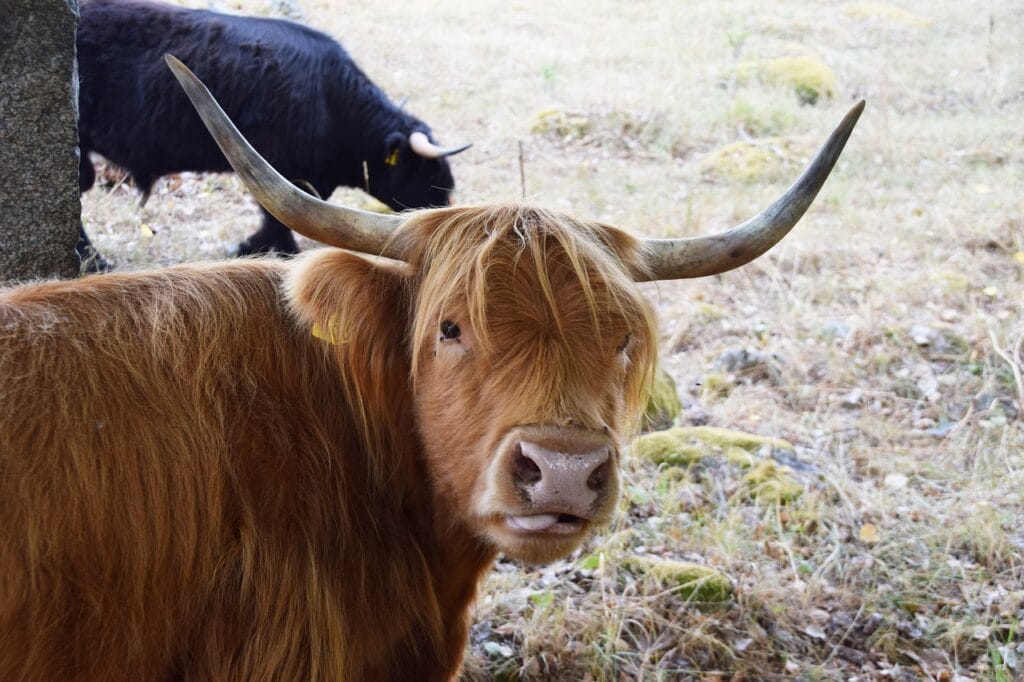
However, unlike some short-haired breeds that shed heavily in clumps, Highland cows experience a slower, lighter shedding process. This is due to the unique double-layer coat that defines the breed:
- Outer coat: Long, coarse guard hairs that repel rain and snow.
- Undercoat: Soft, insulating layer that keeps them warm during harsh winters.
It’s primarily the undercoat that thins during the warmer months. According to the Highland Cattle Society, this double coat is one of the key traits that sets Highland cows apart from other cattle breeds.
The Role of the Highland Cow’s Double Coat
Understanding the function of their iconic coat helps explain how and why they shed. Highland cows evolved to thrive in the cold, wet climates of the Scottish Highlands. Their two-layered coat provides both protection and adaptability:
- The outer layer acts like a natural waterproof jacket, keeping their skin dry and shielding them from wind and snow.
- The inner layer provides insulation, similar to a wool jumper.
As spring arrives, the cow’s body responds to changes in daylight and temperature, gradually reducing the thickness of the undercoat to avoid overheating. This adaptation keeps them comfortable and healthy year-round — no matter the weather.
When Do Highland Cows Shed?
Highland cows typically begin to shed in late spring, around April or May, depending on local climate. The process may continue into early summer. Some important things to note:
- Shedding can begin sooner in warmer regions.
- Cattle raised in colder climates may retain more of their winter coat longer.
- Shedding can vary between individuals depending on age, nutrition, and overall health.
Unlike household pets, Highland cows don’t lose their coat in visible clumps. Instead, you might notice the following:
- A fuzzy appearance around the neck or shoulders
- Stray hairs on fence posts or grooming brushes
- A slightly thinner coat mid-summer compared to winter photos
Do Highland Cows Need Help Shedding?
For the most part, Highland cows shed naturally without human assistance. But in domesticated or farmed environments — especially where grooming is part of regular care — there are ways to support their comfort during shedding season.
Grooming Tips for Shedding Season
- Use soft brushes or grooming combs to help remove loose undercoat hair.
- Check for matting, especially behind the ears and under the chin.
- Avoid over-grooming, as their outer coat still protects them even during summer.
- Always approach grooming calmly and consistently, as some cattle are more tolerant than others.
For more practical care info, read: Can You Keep a Highland Cow as a Pet?
While not strictly necessary for wild or pasture-raised cows, grooming is appreciated by animals used to handling and can support their skin health during transition periods.
Does Shedding Affect Their Appearance or Health?
Shedding can slightly alter a Highland cow’s appearance — they may look less “fluffy” or rugged during summer. But this is entirely normal.
In terms of health:
- Proper shedding is a sign of a healthy metabolism and hormonal rhythm.
- Lack of shedding or poor coat condition could indicate nutritional deficiencies or underlying illness.
- In some regions, excess heat and humidity may cause heat stress, so shade and hydration are vital.
For more detailed info, this extension guide from the University of Nebraska offers helpful insights into coat health and shedding patterns in cattle.
Tip: Always consult with a vet if a cow retains its winter coat far into summer or shows signs of distress.
Shedding vs. Hair Loss — What’s the Difference?
It’s important not to confuse seasonal shedding with abnormal hair loss. Here’s how to tell the difference:
| Seasonal Shedding | Hair Loss / Skin Issues |
|---|---|
| Even, gradual thinning | Bald patches or clumps missing |
| Happens in spring/summer | Can occur any time |
| Coat still looks healthy | Coat may look dull, irritated, or flaky |
| No signs of itching or discomfort | May involve scratching or skin damage |
If you notice patches of missing hair, consult a vet — it could be lice, mites, ringworm, or another treatable condition.
Conclusion
So, do Highland cows shed? Absolutely — but in a gentle, seasonal way that supports their comfort across all climates. Their unique double coat adapts with the seasons, and while they don’t require extensive grooming, a little care during shedding season goes a long way.
Whether you’re a farmer, a hobbyist, or just an admirer of these majestic animals, understanding their natural rhythms — like shedding — helps deepen your appreciation for this hardy, loveable breed.